
Maximize Recovery and Mobility with Foam Rollers & Massage Tools
If you’ve ever walked out of a tough workout feeling sore, stiff, and wondering how you’ll climb the stairs the next day, you’re not alone. Recovery is just as important as the workout itself, and one of the simplest yet most effective ways to enhance your body’s ability to recover and move freely is by using foam rollers and massage tools.
These aren’t just fitness accessories collecting dust in the corner of the gym. They’re powerful tools that can transform the way your body feels, performs, and heals. Let’s break down why incorporating them into your routine could be the missing piece in your wellness journey.
Why Recovery Matters
When we think about fitness, we often focus on strength training, cardio, or flexibility. But recovery tends to get overlooked. Without proper recovery, muscles remain tight, mobility decreases, and the risk of injury increases. Recovery practices like foam rolling and self-massage help:
- Relieve muscle tension by breaking up knots and adhesions.
- Improve circulation to bring oxygen and nutrients to sore muscles.
- Enhance mobility so joints and muscles can move freely.
- Speed up recovery time so you can get back to doing the activities you love.
By focusing on recovery, you’re not only preventing setbacks—you’re maximizing your body’s potential.
Foam Rollers: The Everyday Recovery Essential
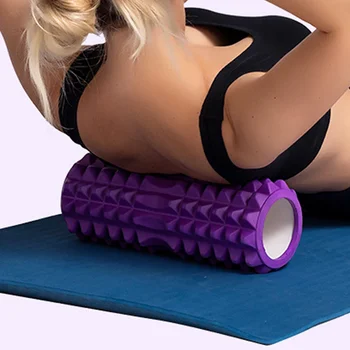
Foam rolling is often described as a form of “self-myofascial release.” In simpler terms, it’s like giving your muscles a deep tissue massage without needing a professional.
Here’s how it works: when you apply pressure with a foam roller, you’re helping to release tight spots in the muscle and fascia (the connective tissue around your muscles). This helps restore movement and reduce soreness.
Some benefits of foam rolling include:
- Ease of use: It only takes 5–10 minutes after a workout to feel the benefits.
- Versatility: You can target your back, quads, hamstrings, calves, and even smaller areas like shoulders.
- Long-term mobility gains: Regular foam rolling helps your body stay flexible and resilient.
Massage Tools: Targeted Relief on Demand
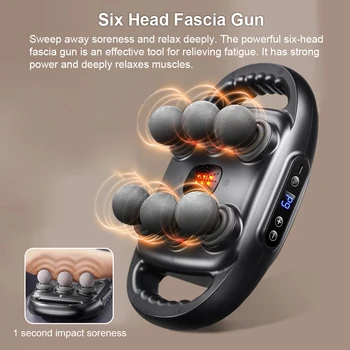
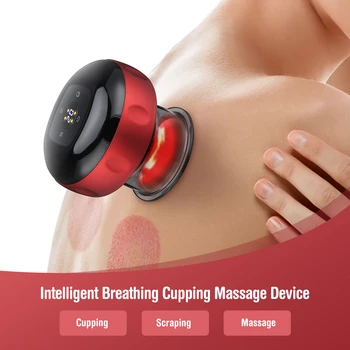
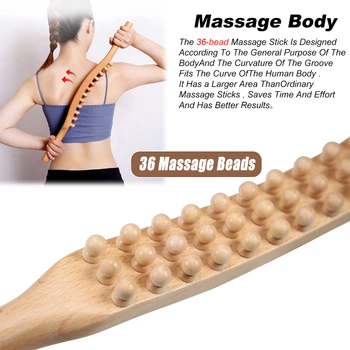
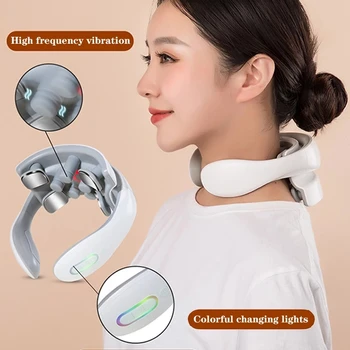
While foam rollers are great for broad muscle groups, massage tools—like massage balls, sticks, or handheld devices—allow you to get more precise. Have a knot in your upper back that a foam roller just can’t reach? That’s where massage tools shine.
Benefits include:
- Pinpoint accuracy: Ideal for smaller muscles and tricky spots like the shoulders, feet, or hips.
- Improved blood flow: Handheld massagers or vibration tools can further increase circulation.
- Stress reduction: Beyond muscle relief, self-massage helps calm the nervous system, reducing overall tension.
Think of massage tools as your personal, on-demand therapist—ready whenever you need them.
How to Incorporate Them Into Your Routine
You don’t need to spend hours rolling around on the floor or using massage tools to see results. Here’s a simple framework:
- Before a workout: Use a foam roller or massage ball for 5 minutes to warm up tight muscles and improve range of motion.
- After a workout: Spend 10 minutes rolling out major muscle groups to prevent stiffness.
- On rest days: Treat it like a recovery ritual—grab your massage tool while watching TV or before bed.
Consistency is key. Over time, you’ll notice less soreness, better flexibility, and improved performance in your workouts.
Choosing the Right Tools
Not all foam rollers and massage tools are created equal. Some are designed for beginners with softer surfaces, while others are more intense for deeper muscle release. If you’re looking to start or upgrade your recovery toolkit, check out our curated selection of foam rollers and massage tools at Oneness Life Hub. Each product is chosen to help you maximize recovery and mobility while fitting seamlessly into your lifestyle.
Wellness isn’t just about how hard you train or how much you sweat—it’s about giving your body the care it needs to keep going. By incorporating foam rollers and massage tools into your routine, you’re not just easing soreness; you’re investing in long-term mobility, performance, and overall health.
Now, I’d love to hear from you: What’s your favorite recovery tool, and how has it helped you? Share your thoughts in the comments below—you never know who you might inspire to take their recovery seriously.